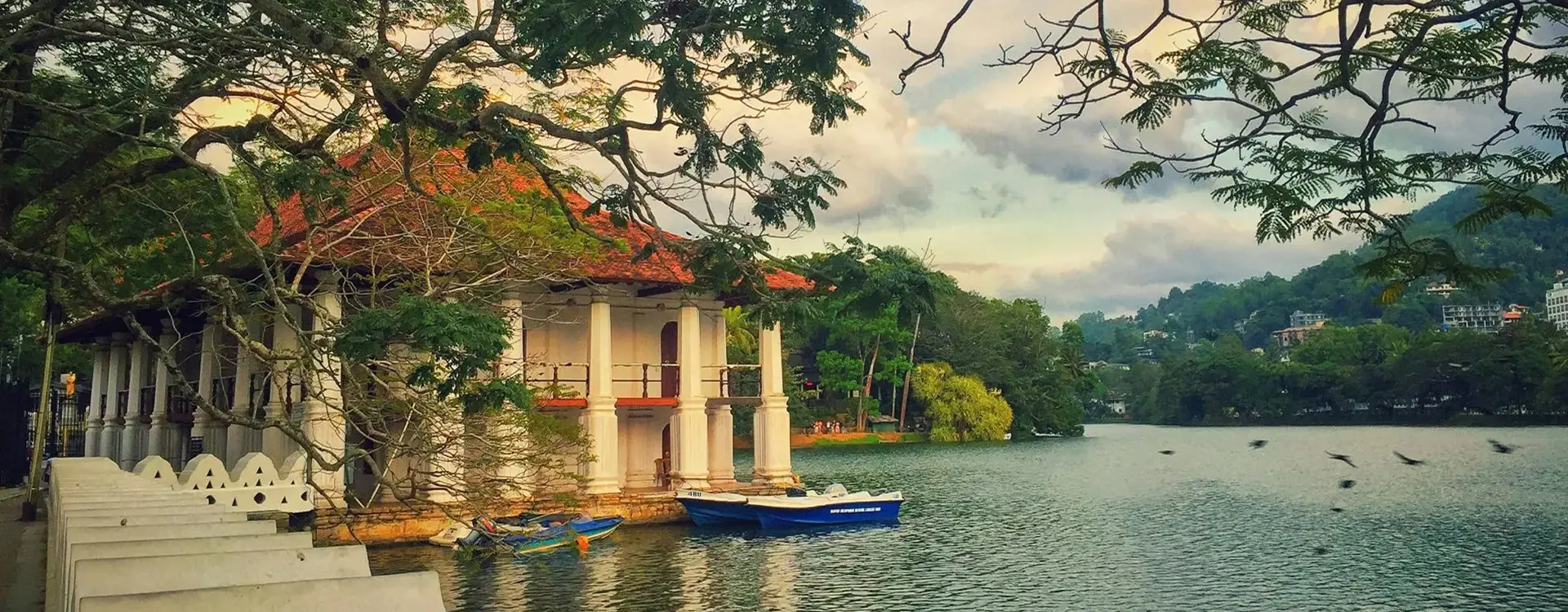
Service is our Strength. Travel is our Passion.
Kandy is the cultural and religious heart of Sri Lanka. It is surrounded by green hills and has a peaceful lake in the center of the city.
The most important place in Kandy is the Temple of the Sacred Tooth Relic, where one of Buddha’s sacred teeth is kept. Thousands of pilgrims visit daily. Walking around Kandy Lake in the evening is calm and relaxing. Travelers can watch colorful Kandyan dance shows that show traditional Sri Lankan culture. The Royal Botanical Gardens in Peradeniya is famous for orchids, tall palm trees, and beautiful flowers. Local markets and shops sell handicrafts, spices, and gems. Kandy gives a deep cultural experience with natural beauty.
Quick tips and must-know moments to enrich your journey.
Explore the best experiences curated for your journey.
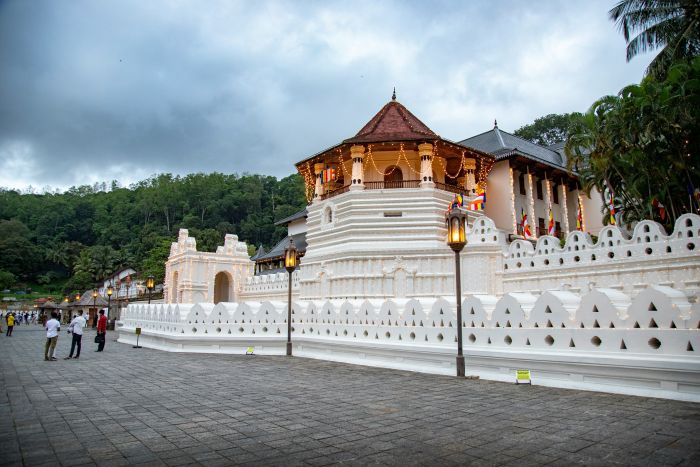
The Temple of the Sacred Tooth Relic, known as Sri Dalada Maligawa, is Sri Lanka’s most revered Buddhist shrine, located in the historic city of Kandy. Part of the UNESCO-listed Sacred City of Kandy, the temple enshrines what is believed to be the left canine tooth of Gautama Buddha, making it a powerful symbol of spiritual devotion and national sovereignty.
Historically, guardianship of the relic was closely linked to royal authority. After arriving in Sri Lanka in the 4th century CE from the Kalinga kingdom, the relic was protected by successive kings. The present temple complex was established under King Vimaladharmasuriya I and later enhanced by Kandyan rulers, including Sri Wickrama Rajasinghe, who added the iconic octagonal Pattirippuwa.
Architecturally, the temple is a masterpiece of Kandyan design, featuring white stone walls, golden roofs, carved wooden pillars, and ceremonial halls such as the Hewisi Mandapaya and Magul Maduwa. Daily rituals and weekly ceremonies continue uninterrupted, reinforcing its role as a living place of worship. Each year, the Esala Perahera fills Kandy with grand processions of dancers, drummers, and decorated elephants, celebrating centuries of Buddhist tradition and cultural heritage.
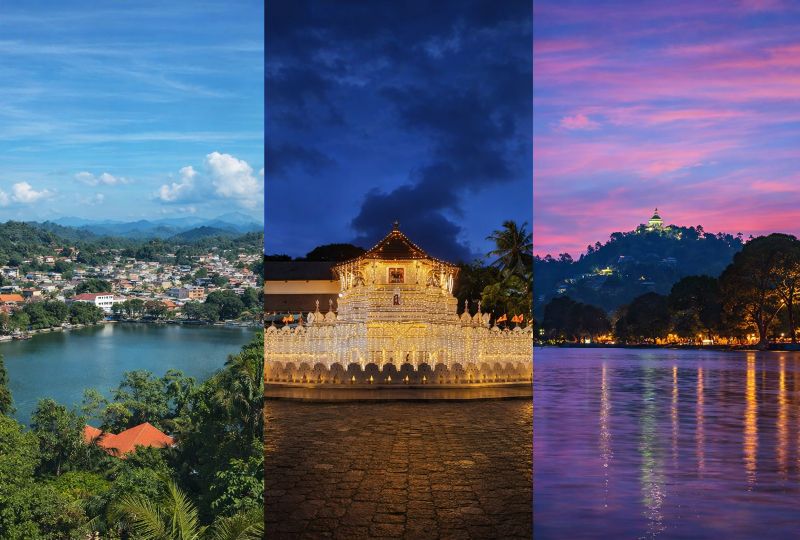
Kandy Lake, locally known as Kiri Muhuda (Sea of Milk), is a scenic artificial lake at the heart of Sri Lanka’s hill capital. Built in 1807 by King Sri Wickrama Rajasinghe, the last ruler of the Kandyan Kingdom, it remains one of Kandy’s most defining landmarks. Lying beside the Temple of the Sacred Tooth Relic, the lake forms part of the UNESCO-listed Sacred City of Kandy and is among the country’s most photographed sites.
Historically, the lake was created by transforming paddy fields into a royal ornamental reservoir. Features such as the Walakulu Bamma (Cloud Wall) along the shore and the small central island, rich with royal and colonial legends, add depth to its heritage. Over time, the lake has become inseparable from Kandy’s religious and cultural life, especially during the Esala Perahera, when vibrant processions circle its banks.
Encircled by a roughly 3-kilometer walking path, Kandy Lake offers a peaceful escape amid the city’s bustle. Shaded benches, views of forested hills, temple reflections on the water, and abundant birdlife make it ideal for leisurely walks, meditation, and photography. Despite modern environmental challenges, conservation efforts continue to preserve the lake as a vital cultural, ecological, and spiritual centerpiece of Kandy.
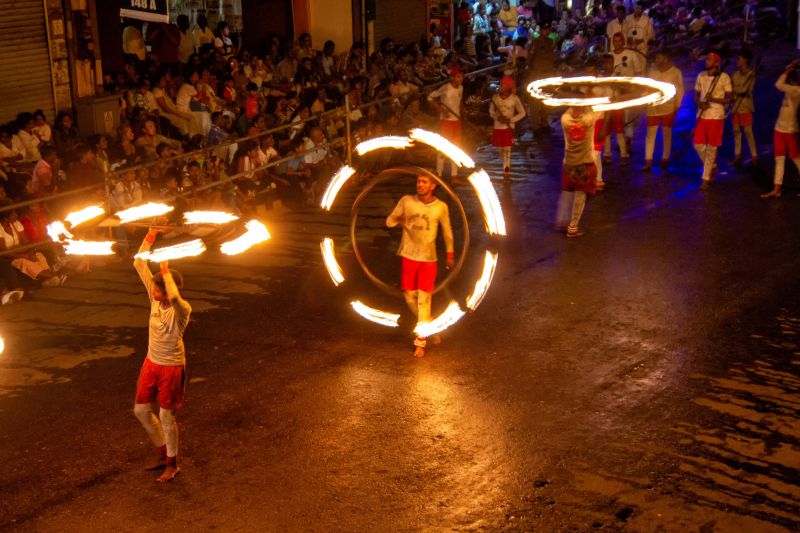
Traditional Kandyan dance is one of Sri Lanka’s most vibrant and powerful cultural art forms, originating from the hill country around Kandy. Known for its energetic movements and rhythmic intensity, the dance is performed to the beat of live drums, creating a dramatic and captivating atmosphere.
Dancers wear striking, richly decorated costumes featuring silver ornaments, elaborate headgear, and layered garments that reflect royal and ritual traditions. Each movement, including strong footwork, spins, and expressive gestures, draws from ancient beliefs and often tells stories of kings, gods, rituals, and traditional village life.
Watching a Kandyan dance performance is an unforgettable cultural experience. It offers visitors a lively introduction to Sri Lanka’s heritage, blending music, storytelling, and movement into a celebration of history and identity that continues to thrive today.
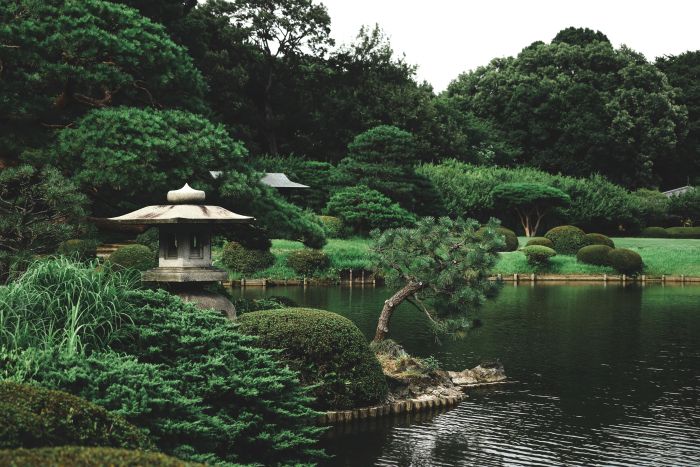
The Royal Botanical Gardens, Peradeniya, are Sri Lanka’s oldest and most renowned botanical gardens, located just outside Kandy along the banks of the Mahaweli River. Established in 1821 during the British colonial period, the gardens span 147 acres and are celebrated for their rich plant diversity, landscaped beauty, and historical importance.
Originally used as a royal pleasure garden by Kandyan kings, the site was transformed by the British into a center for botanical research and economic botany. Early curators introduced and studied crops such as coffee, rubber, and tea, which later became vital to Sri Lanka’s economy.
Today, the gardens house over 4,000 plant species, including orchids, palms, medicinal plants, spices, ferns, and cacti. Highlights include the iconic Palm Avenue, the Orchid House, the massive Java Fig Tree, and rare specimens like the Double Coconut Palm. The gardens also remain an important hub for conservation, education, and scientific research, supported by the National Herbarium of Sri Lanka.
With wide lawns, shaded walkways, and scenic river views, the Royal Botanical Gardens offer a peaceful and enriching experience, making them one of Sri Lanka’s most treasured natural and cultural attractions.
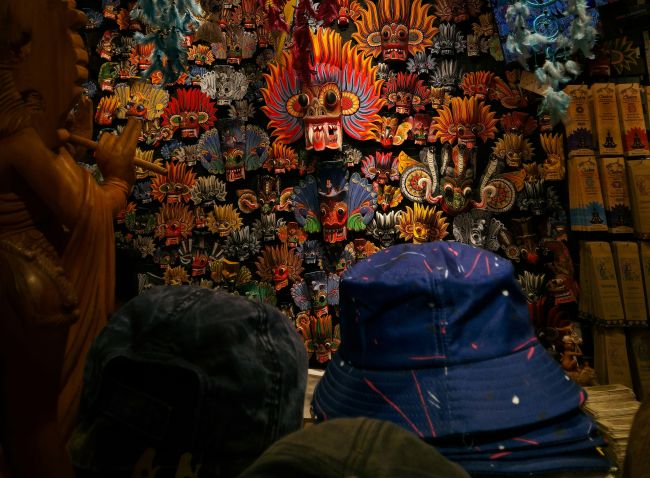
Kandy is well known for its rich tradition of handicrafts and gemstones, making it one of the best places in Sri Lanka to shop for authentic cultural souvenirs. Local markets and small boutiques display wooden masks, handwoven and batik clothing, brassware, silver items, and handmade jewelry that reflect centuries-old craftsmanship.
The city is also a major center for precious and semi-precious gemstones such as sapphires, rubies, moonstones, and garnets. Many shops offer certified stones and custom-made jewelry, allowing visitors to take home a truly special keepsake.
These lively markets are more than shopping destinations they are cultural experiences where visitors can interact with local artisans, learn about traditional techniques, and bring back meaningful memories from their time in Kandy.
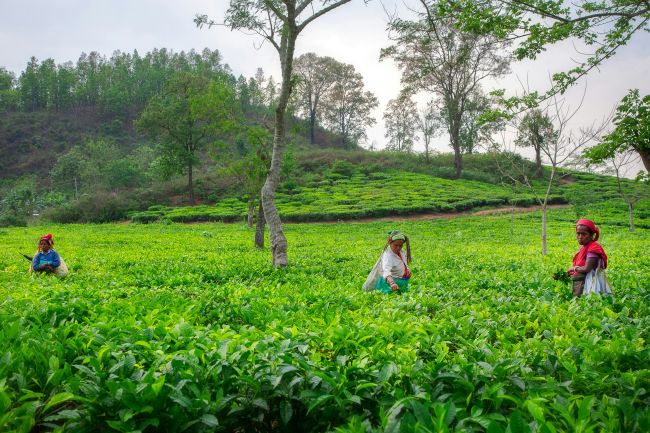
The Ceylon Tea Museum in Kandy is a dedicated heritage center that tells the story of Sri Lanka’s world-famous tea industry. Set within the restored Hantane Tea Factory, originally built in 1925, the museum traces the evolution of Ceylon tea from its colonial plantation roots to its status as a global export brand.
Spread across four floors, the museum displays vintage tea-processing machinery, historical photographs, and archival material that explain how tea is grown, processed, and exported. Visitors can follow the full production journey, from withering and rolling to drying, gaining a clear understanding of the craftsmanship behind each cup of tea.
The upper levels feature a tea tasting area and a viewing deck with sweeping views of Kandy’s hill country and surrounding plantations. Managed by the Sri Lanka Tea Board and the Planters’ Association, the museum plays both educational and cultural roles, celebrating tea’s lasting impact on Sri Lanka’s economy, landscape, and international identity.
Ready to Book your ride?
Not sure which destinations to pick? Our travel experts will craft a personalized itinerary just for you.